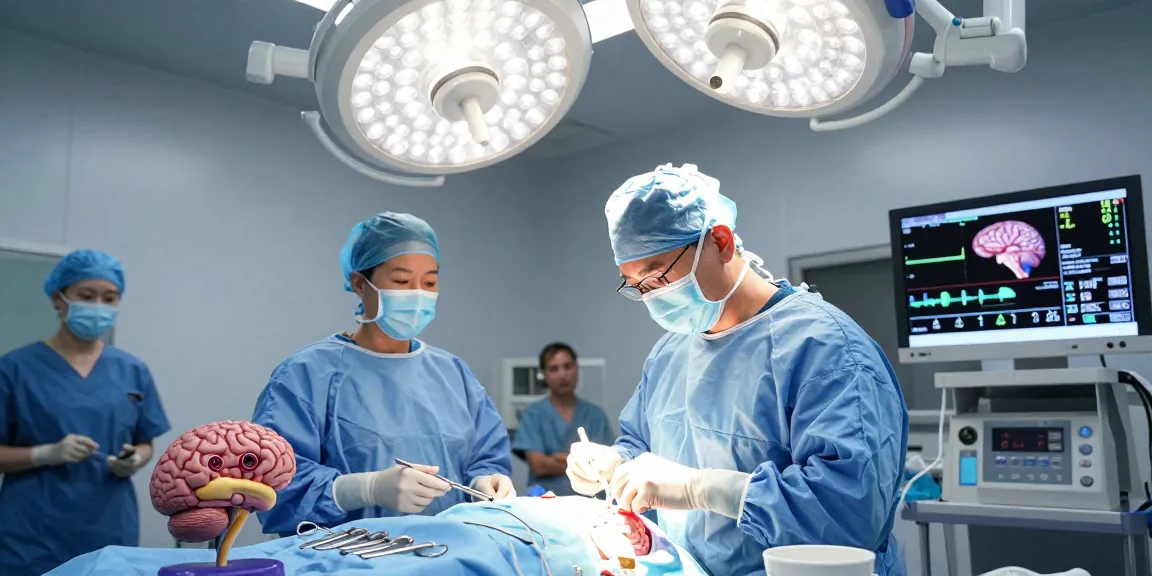
Understanding Brain Surgery: An Overview
Brain surgery is a critical and often life-saving procedure that addresses various neurological conditions, including brain tumors, aneurysms, and traumatic injuries. As medical technology advances and surgical techniques improve, the safety and efficacy of these operations continue to enhance, leading to better patient outcomes. In this comprehensive guide, we will explore what brain surgery entails, the different types of procedures available, and the pivotal role it plays in neurology. When exploring options, Beyin ameliyatı provides comprehensive insights into the necessary steps and considerations prior to the procedure.
What is Brain Surgery?
Brain surgery, medically referred to as neurosurgery, involves operations on the brain, spinal cord, and surrounding structures. It is conducted to treat conditions such as tumors, traumatic injuries, vascular malformations, and degenerative diseases. Depending on the type of condition, different surgical interventions may be presented, from minimally invasive procedures to more invasive open surgeries. The overarching goal is to alleviate symptoms, remove pathological entities, and restore function wherever possible.
Types of Brain Surgery Procedures
There are several types of brain surgery, each tailored to address specific issues. The most common procedures include:
- Craniotomy: This involves creating an opening in the skull to access the brain and is often used for tumor resections or to treat hemorrhages.
- Endoscopic Surgery: A minimally invasive technique that uses a small camera and instruments inserted through tiny incisions. This is particularly effective for pituitary tumors.
- Aneurysm Clipping: This procedure is performed to secure an aneurysm by placing a clip at its base to prevent rupture.
- Awake Craniotomy: This innovative procedure allows neurosurgeons to operate while the patient is awake, ensuring critical functions are preserved during surgery.
- Deep Brain Stimulation: In this surgery, electrodes are implanted in specific brain areas to treat conditions such as Parkinson's disease.
Importance of Brain Surgery in Neurology
Brain surgery plays a vital role in neurology as it can provide relief from debilitating symptoms caused by neurological disorders. It can dramatically improve a patient's quality of life, especially when non-surgical treatments fail to yield effective results. By undertaking brain surgery, healthcare providers aim to reduce the risk of serious complications, including permanent neurological impairment and life-threatening situations caused by conditions like severe aneurysms or massive brain tumors.
Preparing for Brain Surgery: Essential Steps
Preparation for brain surgery involves several critical steps that ensure the patient is physically and mentally ready for the procedure. These steps are essential in minimizing potential risks associated with surgery and improving post-operative outcomes.
Pre-operative Assessments and Evaluations
Prior to surgery, patients undergo a series of assessments to evaluate their overall health and the specific neurological condition being treated. These assessments may include:
- Comprehensive medical exams to assess physical health.
- Imaging tests such as MRI or CT scans to visualize the brain's structure.
- Neuropsychological testing to evaluate cognitive function.
- Blood tests to check for any underlying conditions that may complicate surgery.
Patient Education and Expectations
Educating the patient about the procedure itself is crucial. Patients should understand the nature of the surgery, the expected outcomes, and potential risks involved. Open communication helps to alleviate anxiety and establishes realistic expectations regarding recovery time and limitations post-surgery.
Choosing the Right Neurosurgeon
The selection of a skilled neurosurgeon is possibly one of the most important decisions a patient will make. Factors to consider include the surgeon's experience, technical skills, and hospital affiliation. Consulting with former patients and reviewing outcome statistics can also provide valuable insights into the surgeon's capabilities.
The Brain Surgery Process: What to Expect
The actual brain surgery process can vary considerably depending on the type of procedure performed. However, there are common stages that most patients will experience.
Overview of Surgical Techniques
Brain surgery techniques have evolved significantly, with advances in technology leading to more precise and safer procedures. Techniques may include:
- Microsurgery: Utilizes high-powered microscopes to enhance visualization and accuracy during surgery.
- Laser Surgery: Employs focused light to remove tumors or damaged tissues, often with minimal blood loss.
- Neuro-navigation: A system that uses imaging technology to guide surgeons accurately in real-time during the procedure.
Post-operative Monitoring and Care
After surgery, patients are monitored closely in a recovery unit. This may involve:
- Observation for neurological function and vital signs.
- Pain management interventions to ensure patient comfort.
- Preventative measures against potential complications such as infection or bleeding.
Pain Management and Recovery Timeline
Pain management following brain surgery is critical for patient recovery. Medications are tailored to each patient’s needs. Recovery can vary significantly based on the type of surgery and individual healing processes, but most patients can expect:
- Initial recovery in the hospital ranging from a few days to a week.
- A return to normal activities typically occurring within 6 to 12 weeks, contingent upon the surgery type and individual circumstances.
Post-Surgery: Recovery and Rehabilitation
The recovery phase after brain surgery is a crucial period where patients begin to regain their strength and cognitive skills. This stage is closely monitored by healthcare providers to ensure optimal recovery.
Understanding the Recovery Process after Brain Surgery
Recovery can include physical rehabilitation, cognitive therapy, and emotional support. Patients may experience:
- Fatigue as the body heals.
- Changes in cognitive function requiring adjustments in daily routines.
- Mood fluctuations, which may necessitate psychological interventions or support groups.
Challenges and Complications Post-Operation
While most brain surgeries yield positive outcomes, certain challenges may arise, including:
- Infection or bleeding at the surgical site.
- Seizures or other neurological symptoms due to changes in brain function.
- Delayed recovery or rehabilitation challenges, particularly in older patients.
Rehabilitation Strategies for Optimal Recovery
Effective rehabilitation involves a multidisciplinary approach. Options may include:
- Physiotherapy for mobility and strength building.
- Occupational therapy to regain independence in daily activities.
- Cognitive rehabilitation to address memory and attention issues.
Financial Aspects of Brain Surgery: Costs and Insurance
Understanding the financial implications of brain surgery is essential for patients and their families. Costs can vary significantly based on the procedure, location, and hospital.
Factors Affecting Brain Surgery Costs
The overall cost of brain surgery can be influenced by several factors, including:
- Geographic location and the type of hospital (public vs. private).
- The complexity of the surgery performed.
- The duration of the hospital stay and any required post-operative care.
Insurance Coverage for Brain Procedures
Insurance coverage for brain surgery varies widely among providers. It is critical for patients to confirm their coverage details prior to the surgery. Factors to review include:
- Pre-authorization requirements.
- Out-of-pocket expenses and co-pays associated with surgery.
- Coverage for rehabilitation services post-surgery.
Alternative Financing Options for Patients
For patients without comprehensive insurance coverage, various financing options may be available, such as medical loans or payment plans. Hospitals often have financial assistance programs that can help ease the burden of costs.
What are the Risks Associated with Brain Surgery?
All surgical procedures carry inherent risks. In brain surgery, potential risks may include:
- Infection and bleeding.
- Neurological deficits such as weakness or speech difficulties.
- Complications from anesthesia.
How Long Does it Take to Recover from Brain Surgery?
Recovery times vary considerably based on the type of surgery. However, most patients can expect a gradual return to normal activities within a few weeks to several months, depending on individual healing rates and rehabilitation efforts.
What are the Common Types of Brain Tumors Treated?
Several types of brain tumors may require surgery, including:
- Gliomas: Tumors that arise from glial cells, often requiring aggressive treatment.
- Meningiomas: Typically slow-growing tumors that arise from the protective layers of the brain.
- Pituitary Tumors: Abnormal growths in the pituitary gland that may require endoscopic surgery.
What is an Awake Craniotomy?
An awake craniotomy is a groundbreaking surgical procedure allowing the neurosurgeon to interact with the patient while they are awake during specific phases of the surgery. This technique is particularly effective for removing tumors located near critical functional areas of the brain, minimizing the risk of permanent neurological damage.
How is Brain Surgery Different Based on Patient Age?
Age can significantly affect both the choice of surgical procedure and recovery outcomes. For more information, Beyin ameliyatı offers valuable insights. Older patients may face additional health risks and complications, necessitating a more cautious approach and possibly alternative treatment strategies. Younger patients, conversely, may enjoy a greater capacity for recovery and rehabilitation.